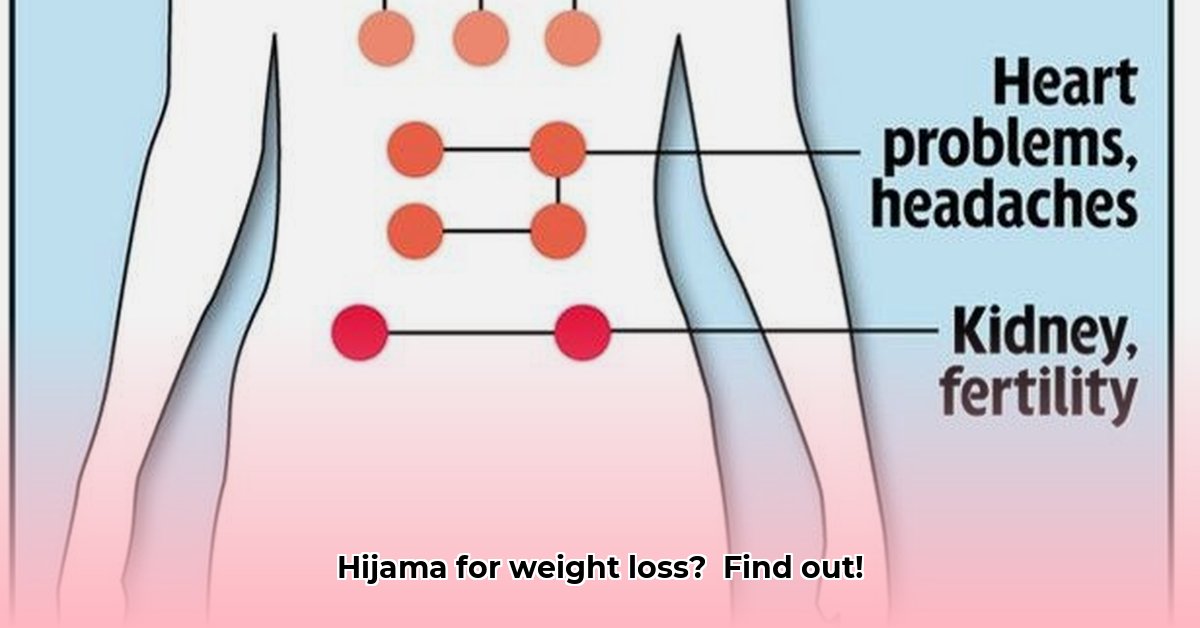
Hijama, also known as cupping therapy, has gained popularity as a purported weight-loss aid. Anecdotal evidence abounds, but does the scientific community support these claims? This review critically examines the current state of knowledge, separating fact from fiction to provide a balanced perspective.
Understanding Hijama and its Weight-Loss Claims
Hijama involves creating suction on the skin using cups. Proponents suggest this improves blood flow, removes toxins, and thus contributes to weight management. While the idea is appealing, a critical review necessitates examining the actual evidence. Currently, there's a significant gap between the anecdotal reports and robust scientific validation of Hijama's efficacy for weight loss.
What the Science Says (or Doesn't Say)
A crucial point to emphasize is the lack of large-scale, randomized controlled trials (RCTs) – the gold standard in medical research – to definitively prove Hijama's effect on weight loss. While many individuals report weight loss after Hijama treatment, these are largely anecdotal accounts. It's difficult to isolate Hijama as the sole causative factor; other lifestyle modifications could significantly contribute. The absence of sufficient RCTs means any conclusions regarding Hijama's impact on weight loss remain tentative.
Exploring the Potential Mechanisms: Is There a Connection?
Several theoretical mechanisms have been proposed to explain a potential link between Hijama and weight loss. Some suggest improved blood flow might boost metabolism and calorie burning. Others posit that detoxification may improve bodily function, aiding weight loss indirectly. Further speculation centers around the possibility of appetite suppression. However, these remain unproven hypotheses; rigorous research is needed to establish their validity. Does enhanced blood circulation demonstrably translate into clinically significant weight reduction? At present, the answer remains inconclusive.
Hijama: A Part of a Bigger Picture
Given the current state of research, Hijama should be considered a complementary approach, not a primary weight-loss solution. While it might potentially enhance the effects of a healthy diet and exercise regimen, it shouldn't replace these established methods. It's similar to using one tool in a complete toolkit – you need the entire set for optimal results. A balanced approach prioritizes established, proven strategies alongside any supplementary therapies.
Potential Risks and Important Precautions
As with any medical procedure, Hijama carries inherent risks. Infection is a possibility if proper sterilization protocols aren't followed meticulously. Bruising and bleeding are also potential side effects. Selecting a licensed and experienced practitioner who adheres to stringent hygiene standards is paramount. Consultation with a physician prior to undergoing Hijama, especially for individuals with pre-existing health conditions, is strongly advised to ascertain the procedure's suitability and safety.
The Road Ahead: The Urgent Need for Research
In summary, while some individuals report positive experiences and plausible mechanisms are hypothesized, the scientific evidence supporting Hijama's effectiveness for weight loss is currently insufficient. A critical need exists for robust, large-scale RCTs to definitively assess its role in weight management.
Until comprehensive scientific evidence emerges, a cautious approach is warranted. Skepticism and a demand for rigorous scientific validation of any health-related claims are crucial for informed decision-making. Future research may alter our understanding, but currently, proven methods of weight loss should remain the priority.
How to Combine Hijama with Diet for Weight Loss: A Cautious Approach
The effectiveness of combining Hijama with diet for weight loss remains largely unproven. While some practitioners suggest potential synergistic effects, these claims lack robust scientific support. A responsible and safe course of action includes following these steps:
- Consult a Healthcare Professional: Discuss Hijama and its potential interaction with any existing health conditions or medications.
- Find a Qualified Practitioner: Choose a licensed and experienced practitioner who prioritizes safety and hygiene.
- Dietary Considerations: Maintain a balanced diet, ensuring adequate hydration. Consult with your practitioner for any specific dietary recommendations before and after the procedure.
- Prioritize a Healthy Lifestyle: A balanced, nutrient-rich diet and regular exercise are paramount for weight management, regardless of Hijama use.
- Monitor Progress: Regularly track your progress and consult with your doctor or practitioner to assess the effectiveness and safety of the combined treatment.
This approach stresses responsible exploration, careful monitoring, and the prioritization of established weight loss methods.
Potential Benefits and Risks: A Balanced Perspective
Let's examine both the positives and negatives associated with Hijama, remembering that the weight loss benefits remain unproven.
Potential Benefits (Anecdotal):
- Improved blood circulation (requires further study)
- Enhanced detoxification (requires further study)
- Reduced inflammation (in specific contexts, needs further research)
Potential Risks:
- Infection (potential if sterile techniques are not followed)
- Bruising
- Scarring (rare)
- Allergic reactions (in rare cases)
The Bottom Line: A Call for Evidence-Based Practice
The question of Hijama's efficacy in weight loss requires further investigation. While anecdotal reports exist, conclusive scientific evidence remains lacking. A cautious, responsible approach prioritizes established weight loss strategies and integrates supplementary therapies only after thorough consideration and consultation with healthcare professionals. The need for further research is paramount before definitive conclusions can be drawn.